What It's Really Like Flying as the Only Cabin Crew Member on a Regional Aircraft
Most people picture their first cabin crew role as part of a team. A dozen crew on a widebody aircraft, clear divisions of responsibility, someone more senior nearby when things go sideways. That is one way to start a career in aviation. But it is not the only way, and it is not always the best way.
QantasLink operates regional routes across Australia using two aircraft types: the Dash-8 turboprop and the newer Airbus A220. On the Dash-8, a single cabin crew member works the aircraft solo. On the A220, the team is small, often just two crew, and the work is immediate, hands-on, and varied in a way that larger jets simply cannot replicate.
I have worked in aviation for 45 years. I have watched crew develop at different rates across different types of operations, and I want to make a case today for why the regional cabin crew experience, flying solo or in very small teams, builds skills faster than almost any other starting point in this industry.
What QantasLink Is Flying Right Now
QantasLink is the regional arm of the Qantas Group, operated by three subsidiaries: Sunstate Airlines, Eastern Australian Airlines, and National Jet Systems. Together they cover an extensive network of regional and rural routes across Australia.
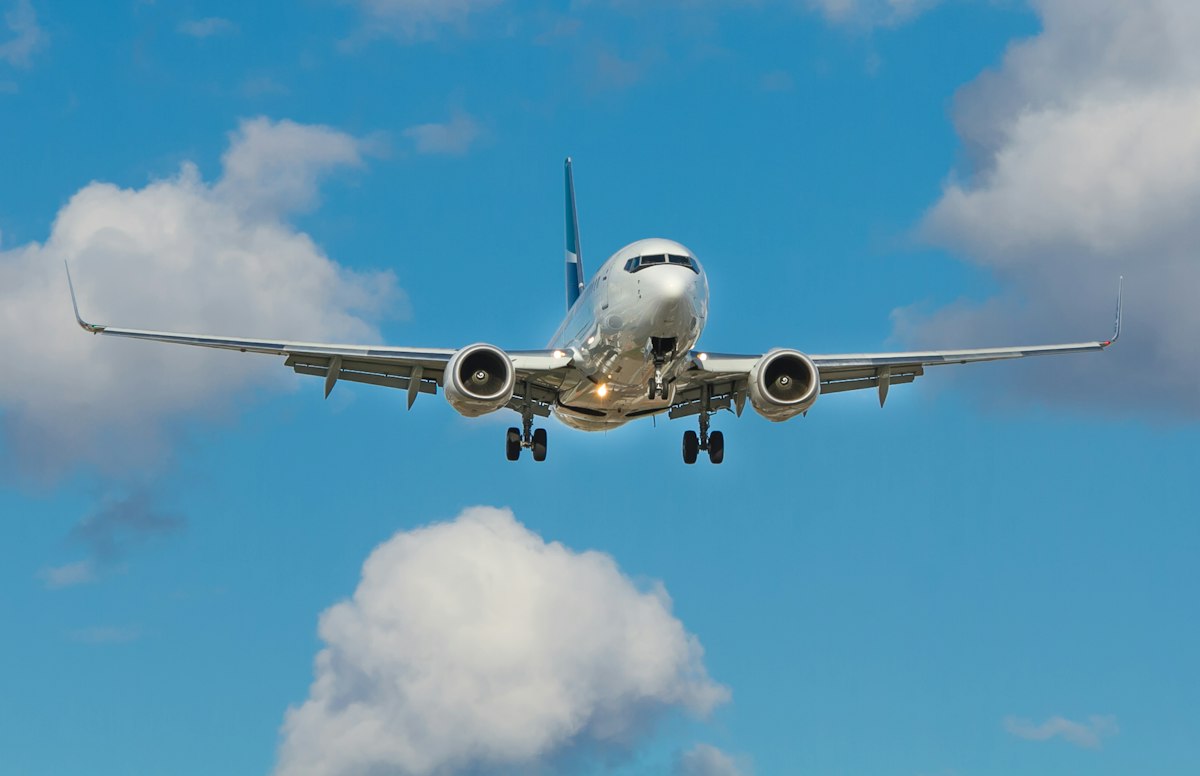
The Dash-8 turboprop has been the workhorse of that network for years. It carries between 34 and 50 passengers, operates out of smaller regional airports, and requires one cabin crew member to manage the entire passenger experience from pre-departure safety checks through to landing. One crew member. Every passenger is your direct responsibility. There is no one to hand a difficult situation to.
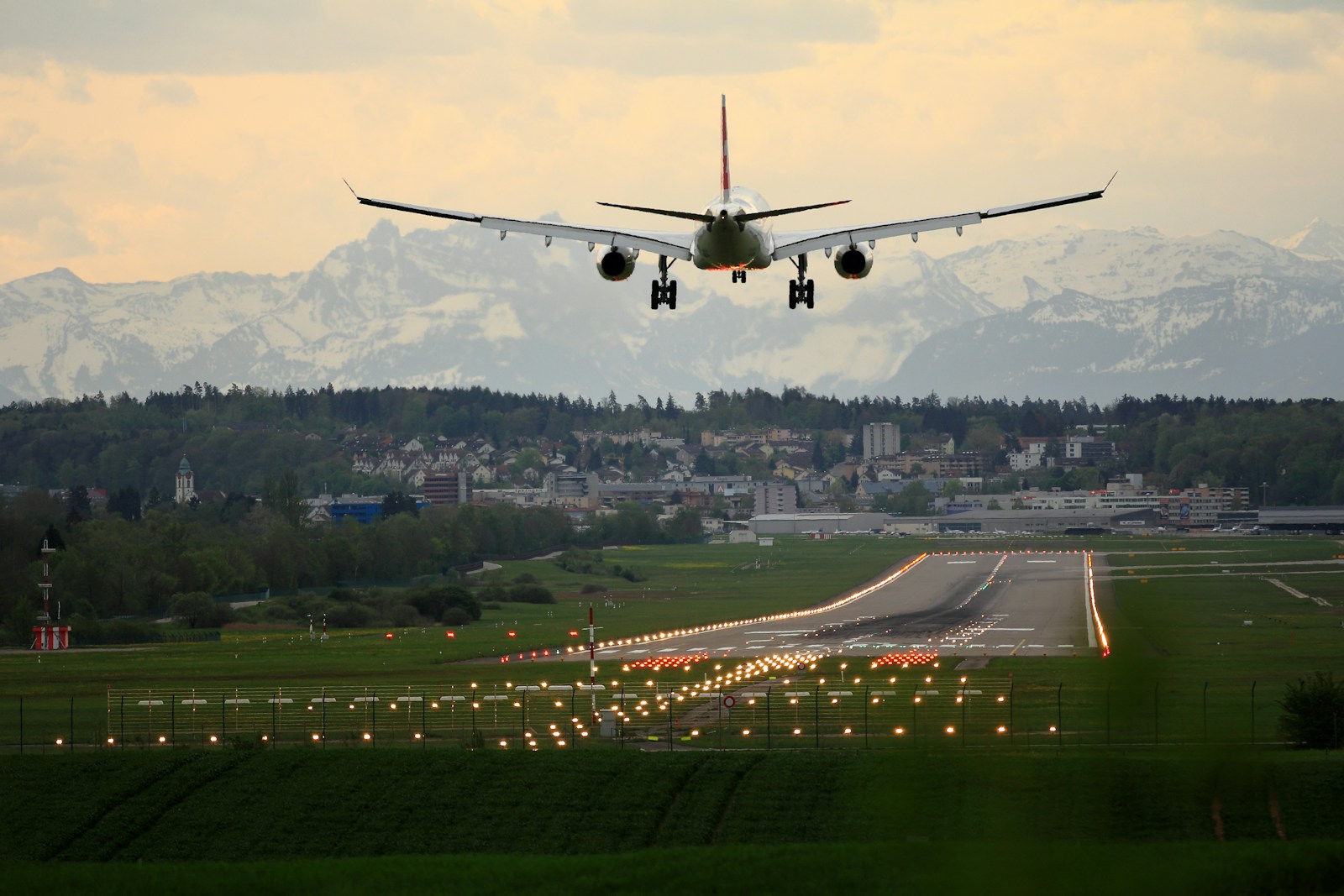
The A220 is newer. QantasLink began operating the Airbus A220-300 in 2024 and it has been expanding across the regional network. The aircraft carries 137 passengers in a two-class configuration: 10 in Business and 127 in Economy, including 20 Qantas Economy Plus seats. It is a genuinely modern aircraft with free Wi-Fi, wireless charging, and a quality passenger experience that passengers notice and appreciate. The A220 is also now flying trans-Tasman routes from Australia to New Zealand, giving QantasLink crew exposure to short-haul international flying earlier in their careers than was possible on previous regional types.
For aspiring cabin crew, the practical question is: what does it actually feel like to work one of these aircraft? And is it worth pursuing?
What Solo Cabin Crew Work Actually Involves
Before a single passenger boards, you are already working. The pre-departure cabin check on a regional aircraft is your responsibility entirely. Emergency equipment, safety cards, galley security, cabin lighting, oxygen systems. You check every item on the list because there is no one else to catch what you miss.
Boarding starts and you are greeting passengers at the door, stowing bags, directing people to seats, identifying anyone who needs assistance, noting who is traveling with young children or has mobility concerns. All of this is happening simultaneously, and the turnaround times on regional routes are tight. You do not have the luxury of a long ground time to settle in.
The safety demonstration is yours to deliver. On a small aircraft, passengers can see you clearly and you can see them. Eye contact with every row. Watching who is paying attention and who needs a gentle reminder. The safety briefing on a regional aircraft is not a background event. It is a direct communication between you and the people on board.
In the air, you work the cabin service while monitoring for anything that needs attention. On a short flight, the service window can be as little as 20 minutes. You are pouring drinks and clearing cups and watching for the passenger who looks unwell and managing the nervous flyer who has never been on a small aircraft before, all at the same time.
When something goes wrong on a regional aircraft, you handle it. A passenger feels faint. You manage it. A passenger becomes aggressive. You manage it. A technical issue requires communication with the flight deck. You handle the cabin while the pilots focus on the aircraft. There is no second crew member to take over while you collect your thoughts. The training prepares you for this, but the real development comes from doing it.
Why This Experience Is Worth More Than It Looks
I have had this conversation with candidates many times. They look at a QantasLink role and see a smaller aircraft, regional destinations, and a modest starting salary. What they do not always see is what that experience actually produces in a cabin crew member.
After two or three years flying regional routes, the crew who move into Qantas mainline or international long-haul roles are noticeably more capable than peers who started on larger aircraft. They have made hundreds of independent decisions under time pressure. They have managed medical situations, difficult passengers, and complex boarding scenarios without backup. They have delivered safety demonstrations to a full cabin with no one else to share the stage. They know how to read a situation quickly and act without waiting for direction.
Airlines notice this. Qantas recruitment teams see QantasLink experience on a resume and understand what it represents. It is real flying experience with a rigorous operator, and it signals a level of competence that is harder to demonstrate from roles with less direct responsibility.
There is also a practical point about seniority. Crew who join QantasLink now, while new A220 routes are being added and the network is growing, will build seniority over the people hired after them. In aviation, seniority shapes everything: which routes you fly, the roster patterns you can access, your earning potential over time. Getting in early on a growing operation has compounding benefits that are not immediately obvious when you are first looking at the job listing.
Who the Role Suits
Regional cabin crew roles are not for everyone, and I think it is worth being honest about that.
If your priority is international routes and long-haul flying from day one, regional is not where you want to start. It is a genuine stepping stone, but it is a step, not the destination. Be clear with yourself about your timeline and whether the regional pathway suits your situation.
If you are based in or willing to relocate to a regional hub like Brisbane, Cairns, Sydney, or Melbourne, where QantasLink operates from, the logistics work in your favour. Regional crew often return to their base the same day, which suits candidates who want to maintain connections at home while building an aviation career.
The role suits people who are genuinely comfortable with independence. If you need a lot of backup and close team support to feel confident in a service environment, the solo nature of regional flying will feel challenging rather than rewarding. But if you are someone who rises to responsibility rather than feeling burdened by it, this environment will develop you faster than almost anything else.
School leavers and early-career candidates often do well in regional roles precisely because they are not carrying habits or assumptions from previous aviation environments. The training sets the standard, and without preconceptions, new crew absorb it fully.
How the Recruitment Process Works for QantasLink
QantasLink recruits through the Qantas Careers website. The application process follows the same structure as other Qantas Group roles: online application, video interview, assessment day, and medical. The assessment standards are consistent with the broader Qantas Group, which means the preparation required is the same level of thoroughness that I recommend for any Qantas application.
The physical requirements for QantasLink are slightly different from the mainline. Height range is 158cm to 183cm, compared to 163cm to 186cm for Qantas Airways. This reflects the different overhead equipment configuration on the Dash-8 and A220. The arm reach requirement of 212cm remains consistent.
Swimming competency is required. 50 metres continuous and treading water for three minutes. This is tested as part of safety training. If you are not a confident swimmer, address that now before you apply.
At the assessment day, recruiters are looking for the same core qualities as across all Qantas Group roles: composure, genuine warmth, strong communication, and a safety-first mindset that is demonstrated through your examples, not just stated. For QantasLink specifically, independence and self-sufficiency are qualities worth highlighting. The role demands them, and showing in your interview that you understand this signals to the recruiter that you have done your research.
A Note on the A220 Expansion
The introduction of the A220 into QantasLink's regional fleet is worth paying attention to if you are considering this pathway. The aircraft is modern, well-regarded by crew and passengers, and its growing role in the QantasLink network, including the new trans-Tasman services, means the regional operation is becoming more varied and interesting than it has been at any point in recent years.
Crew based at QantasLink hubs who build seniority on the A220 will be well-positioned as the type continues to expand. This is not a static career. The aircraft is new, the routes are growing, and the people who join now will have more choices in two or three years than the people who join later.
Where to Go From Here
If regional aviation feels like the right entry point for you, start your preparation now. Have your resume ready, know your STAR-method interview examples, hold a current First Aid and CPR certificate, and apply as soon as a suitable QantasLink listing appears. Roles move quickly when they are advertised.
If you want a full breakdown of what the QantasLink assessment day involves and how to prepare for the interview specifically, my Interview Preparation Manual covers the Qantas Group recruitment process at every level. And if you want to work through your preparation with someone who knows what the Qantas Group is looking for, my coaching sessions are available face-to-face or via Teams from anywhere in Australia.
The regional pathway is underestimated. The crew who understand its value are the ones who use it well.
Denise Burns has worked in aviation for over 45 years and has coached hundreds of candidates into cabin crew roles at Qantas, Virgin Australia, Emirates, and other airlines. She runs ReachFTS, a specialist flight attendant training and coaching service.
Get the complete guide: Interview Preparation Manual ($160)
Everything you need to prepare for your flight attendant interview, from application to final offer.
Get the Manual →Ready to start your journey?
Get the tools and guidance you need to land your dream cabin crew role.