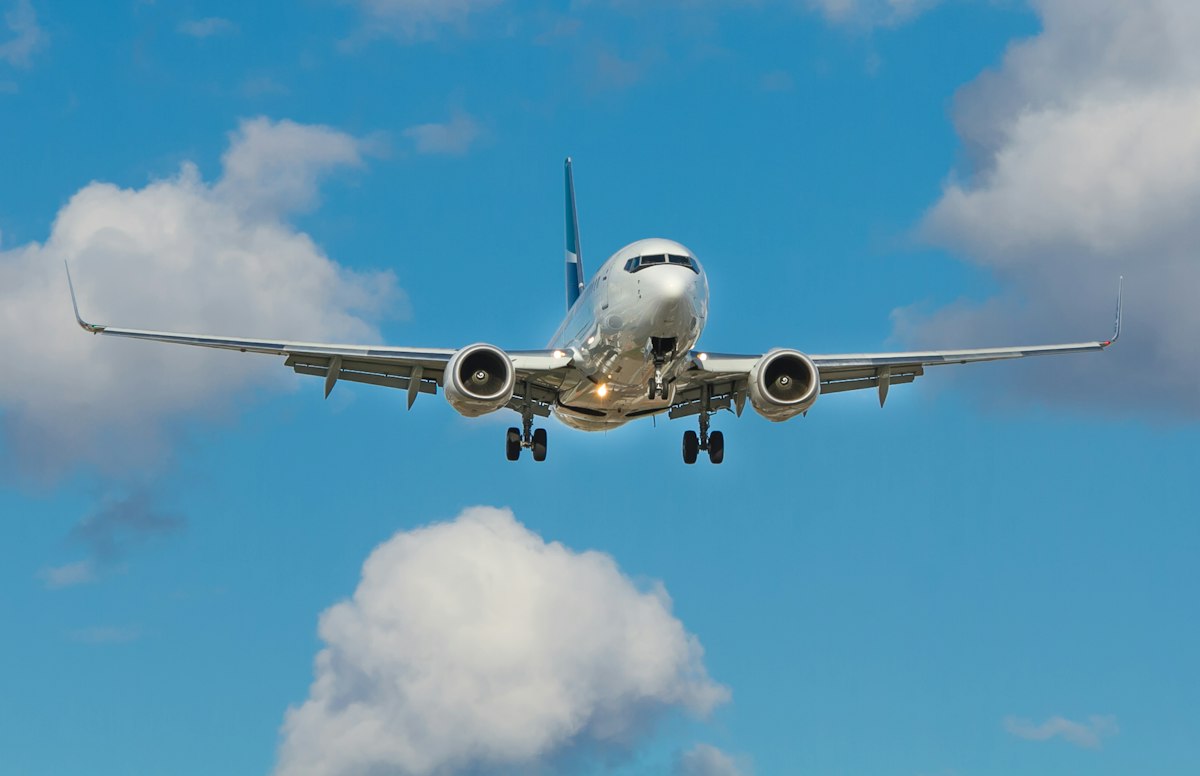
Qantas Project Sunrise: What the World's Longest Flight Means for Cabin Crew
Qantas Project Sunrise made headlines again this week. The Australian Financial Review reported that the first A350-1000ULR aircraft, the plane designed to operate non-stop flights between Sydney and London, will miss its original 2026 delivery deadline due to Airbus supply chain delays. Commercial services will not begin until 2027 at the earliest.
For travellers, that is disappointing news. For aspiring cabin crew, I want to give you a different read on it. Because what is being built here is remarkable, and understanding it will make you a smarter, more prepared applicant for Qantas.
What Project Sunrise Actually Is
Project Sunrise is Qantas' plan to operate the world's longest commercial flight routes. Non-stop from Sydney to London. Non-stop from Sydney to New York. No stopover in Singapore or Dubai. Just you, the aircraft, and roughly 20 hours of continuous flying over open ocean.
The aircraft making this possible is the Airbus A350-1000ULR. ULR stands for Ultra Long Range. Qantas has ordered 12 of them, and the first is currently in final assembly at the Airbus facility in Toulouse. The plane carries enough fuel to cover approximately 20,000 kilometres without landing, which is what makes these routes physically possible for the first time in commercial aviation history.
Qantas has been working toward this for years. The airline ran Project Sunrise test flights in 2019, operating research flights from New York and London to Sydney to study how passengers and crew performed on 19-hour services. Those research flights helped shape everything from the cabin design to the crew rotation schedule.
Why the Delay Happened
The Airbus supply chain has been under strain across the industry. Engine component shortages, skilled labour gaps post-pandemic, and increased global demand for new aircraft have pushed delivery timelines back for airlines worldwide. Qantas is not the only carrier affected. But the A350-1000ULR is a specialised aircraft in limited production, which makes delays harder to absorb.
Qantas CEO Vanessa Hudson confirmed earlier this year that the first A350 will initially operate trans-Tasman routes to Auckland and Wellington before entering ultra-long-haul service. This is deliberate. Pilots and cabin crew need to train on the aircraft and build familiarity before the airline stakes its reputation on a non-stop London service. The Sydney to New Zealand routes serve as low-risk, high-repetition training runs.
Commercial Project Sunrise flights now look likely to begin in mid-to-late 2027.
What This Means for Cabin Crew
Here is the part I want every aspiring flight attendant reading this to understand.
Qantas is building something that has never existed before. A scheduled non-stop service from Australia to the United Kingdom. The cabin crew who fly those routes will be part of aviation history. They will also be the best-trained, most rigorously prepared long-haul crew Qantas has ever put in the air. Because at 20 hours over the ocean with no diversion airport within reach for much of the route, there is no margin for error.
Qantas is not going to recruit Project Sunrise cabin crew from the street. They will come from the existing long-haul workforce, people who have built experience on the A380 routes to London via Singapore, on the B787 to Dallas and Chicago, on the long-haul services to Buenos Aires. That career path starts with getting into Qantas now.
If your goal is to fly long-haul with a world-class airline, the best thing you can do right now is start your application. Not when Project Sunrise launches. Not when the A350 is delivered. Now.
The A350 Cabin: What Crew Will Be Working In
Qantas has designed the A350-1000ULR cabin specifically around passenger and crew wellbeing on ultra-long flights. A few details worth knowing.
The aircraft has a dedicated Wellbeing Zone, a lounge area where economy passengers can stand, stretch, and move around during the flight. This is a direct response to what the 2019 research flights showed: people need to move on flights this long, and cabin crew need to actively encourage and manage that.
Lighting on the A350 changes throughout the flight to help manage circadian rhythm. The crew will work with this lighting system as part of managing passenger experience and reducing jet lag for both passengers and themselves.
Crew rest areas on long-haul aircraft are not glamorous, but they are essential. On a 20-hour flight, cabin crew rotate through rest breaks. The A350 rest facilities are designed with this in mind. Managing a crew rotation across a 20-hour service, with different passengers waking, sleeping, needing assistance, and using the cabin at all hours, requires a different level of operational awareness than a standard long-haul flight.
The seat configuration is weighted toward premium cabins. The research flights showed that yield on ultra-long-haul routes depends on premium passengers, people willing to pay for a lie-flat business class seat on a 20-hour journey. Cabin crew working these routes will be delivering premium service at a level consistent with the best international carriers. That means the preparation required is specific and significant.
What Recruiters Will Look for When Project Sunrise Crew Are Selected
I have spent 45 years in aviation, and I know how airline culture works. When Qantas selects the crew for its flagship Project Sunrise routes, they will not be advertising externally. They will be looking internally at their long-haul workforce, at crew who have proven themselves over time, who have shown calm under pressure, excellent service skills, and the maturity to manage a 20-hour service with professionalism.
The qualities they will be assessing are the same ones they assess at every Qantas recruitment. Customer service instincts. Composure in difficult situations. The ability to work effectively in a crew of people you may not know well. A genuine understanding of why safety comes before everything else.
The candidates who get those Project Sunrise roles in 2027 and 2028 will be people who joined Qantas in 2025 and 2026 and built a reputation in that first year. So if this is the career you want, the window is right now.
How to Get Into Position
Qantas recruits cabin crew through specific intake campaigns. Roles are advertised on the Qantas Careers website and they fill quickly. The application process includes an online submission, a video interview, an assessment day, and a medical. I have covered each of those stages in detail across other posts on this site.
The most important thing is to be ready when a campaign opens, not scrambling to write your resume the week after you see the listing. Have your application materials prepared. Know your STAR-method examples. Understand what Qantas values and why. Show up to the assessment day looking like you already belong there.
If you want a complete guide to the Qantas recruitment process, my Interview Preparation Manual covers every stage in detail, including what the assessment day involves, the questions you are likely to face, and the grooming and presentation standards Qantas expects. For personalised preparation, my coaching sessions are available face-to-face or via Teams from anywhere in Australia.
Project Sunrise is delayed. But it is coming. And the crew who fly those routes will be people who started their Qantas careers right now, when the door is open. Do not wait for the launch to start preparing. Start today.
Denise Burns has worked in aviation for over 45 years and has coached hundreds of candidates into cabin crew roles at Qantas, Virgin Australia, Emirates, and other airlines. She runs ReachFTS, a specialist flight attendant training and coaching service based in Australia.
Get the complete guide: Interview Preparation Manual ($160)
Everything you need to prepare for your flight attendant interview, from application to final offer.
Get the Manual →Ready to start your journey?
Get the tools and guidance you need to land your dream cabin crew role.